From the Quantocks to the Jurassic Coast — our guide to the best walking, wild swimming, surf beaches and national parks within easy reach of Thornfalcon.
Walks, moors, hills and beaches within an hour of the farm
Thornfalcon is perfectly placed to explore the majesty of England's most beautiful countryside within an hour of the front door. We sit between the Quantocks to the north, the Somerset Levels to the east, and the Blackdowns and Dartmoor to the south — and within a longer day trip you can be on the Jurassic Coast, on Exmoor's high moors, or watching the surf at Saunton Sands. Here's our guide to the best of the great outdoors near the farm.
Quantock Hills
Good for: walks with sweeping views, Romantic poets, steam trains
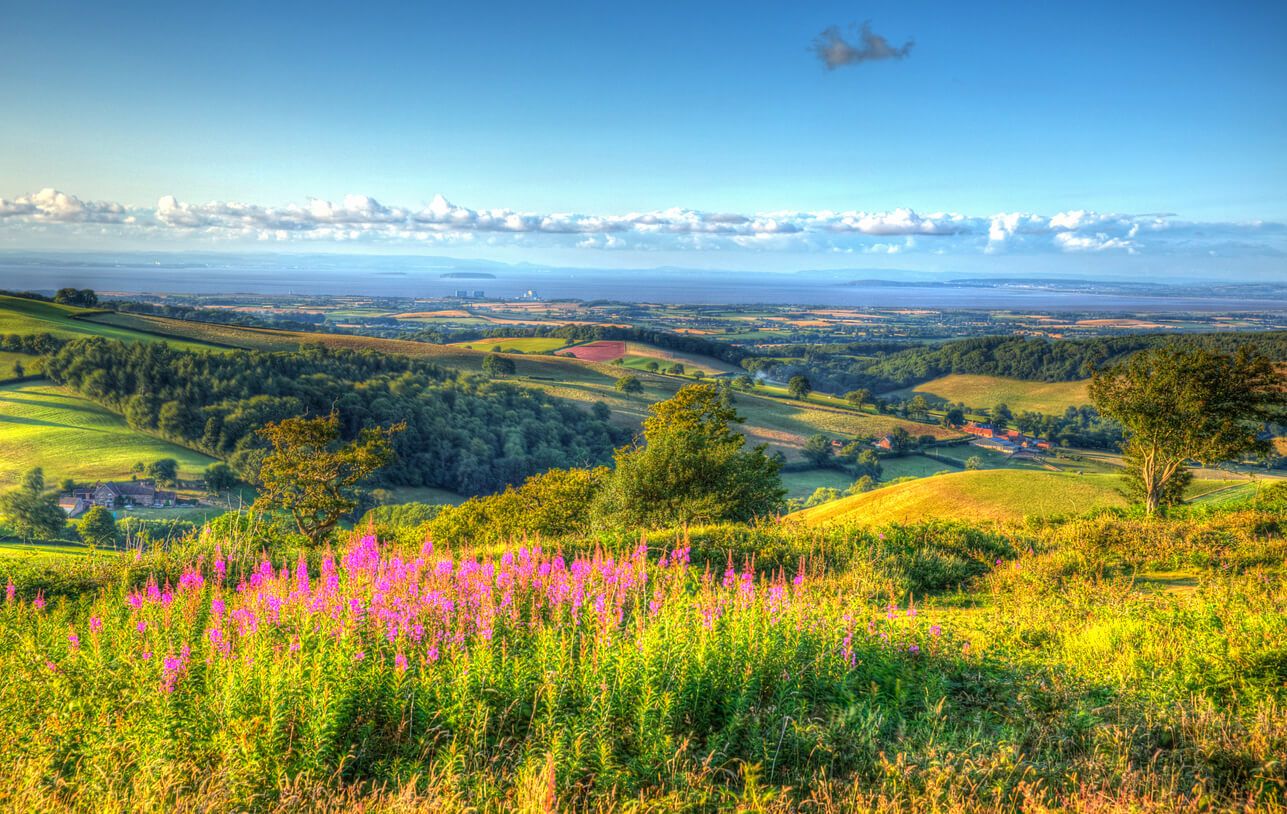
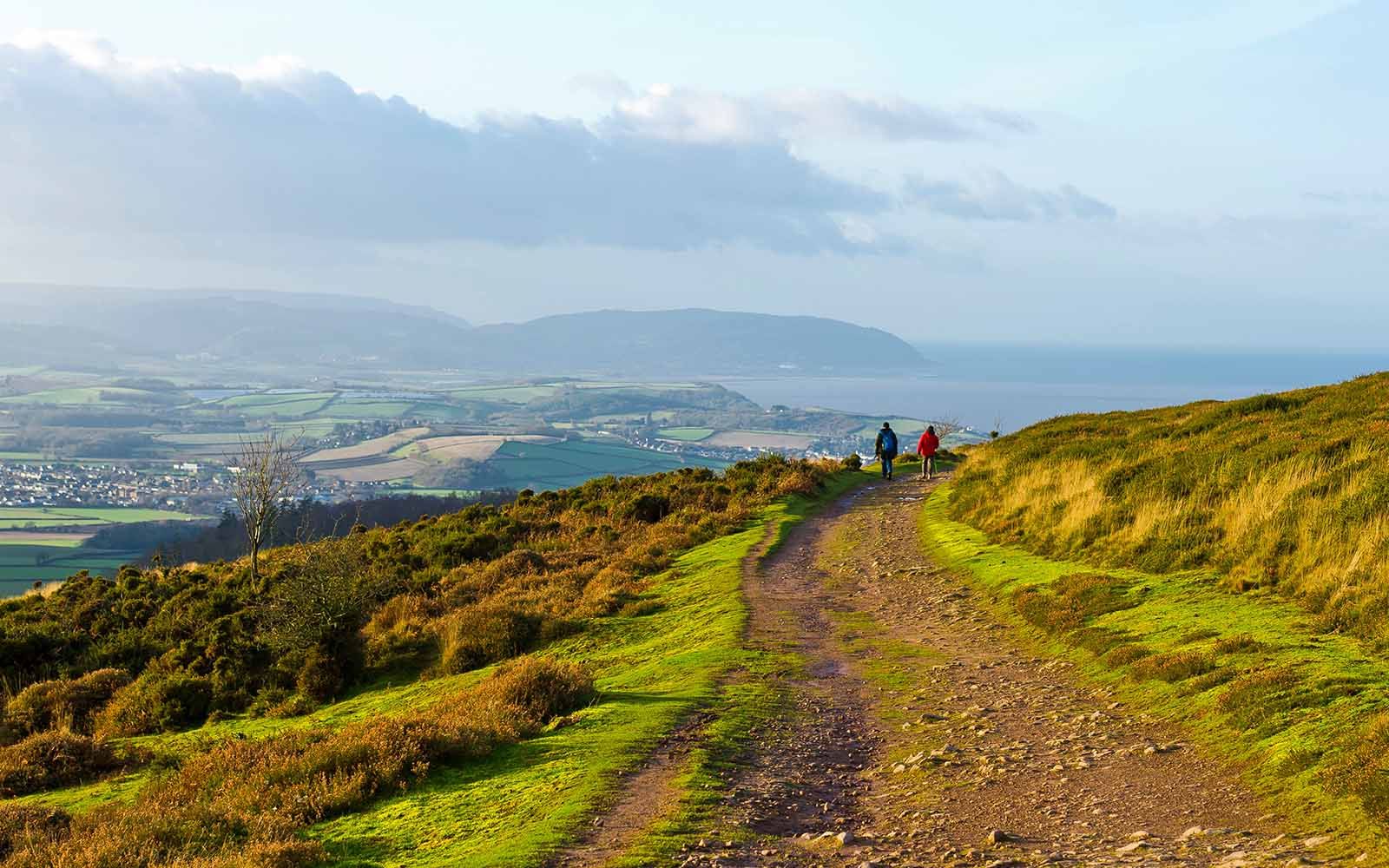
To the north of Thornfalcon lie the Quantock Hills, an Area of Outstanding Natural Beauty. You'll find rocky Jurassic coastline, exposed heathland summits, deep wooded coombes, undulating farmland and a string of small, well-kept villages — all within a thirty-minute drive.
There are dozens of good walks. Cothelstone Hill (sometimes known locally as the Seven Sisters, after the seven beech trees planted on its summit in the 18th century) is one of our favourites for its uninterrupted views, its ponies, and its quiet wildlife. Lydeard Hill and Staple Plain offer some of the best heathland panoramas in the range. For longer-distance walkers, the Coleridge Way runs 51 miles from Nether Stowey to Lynmouth.
Coleridge Cottage, in the village of Nether Stowey, was the home of the Romantic poet Samuel Taylor Coleridge. He wrote some of his finest works while living there — The Rime of the Ancient Mariner, Kubla Khan, Frost at Midnight — and worked with William Wordsworth on their collection Lyrical Ballads. The cottage is now a National Trust property and well worth a visit.
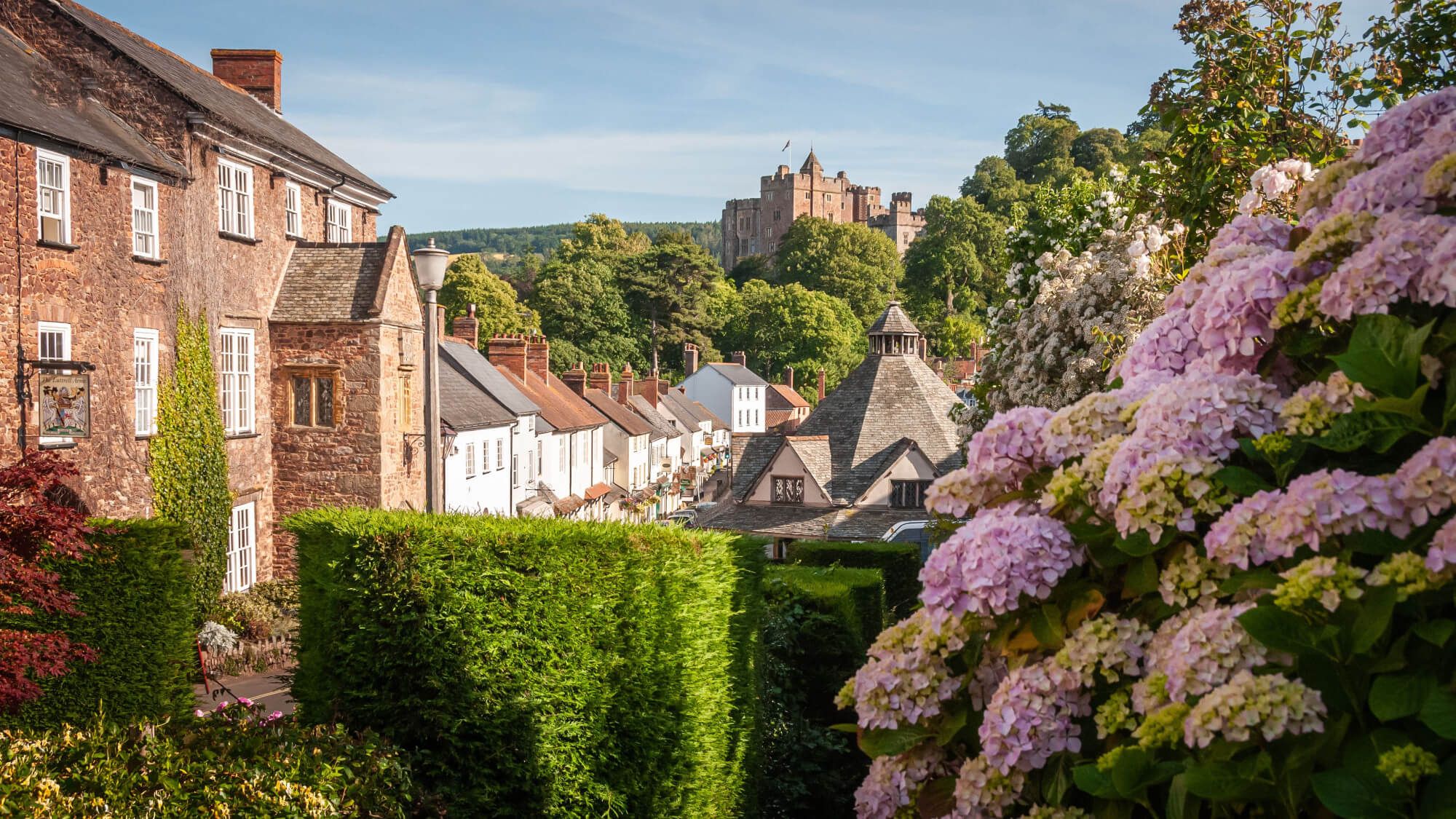
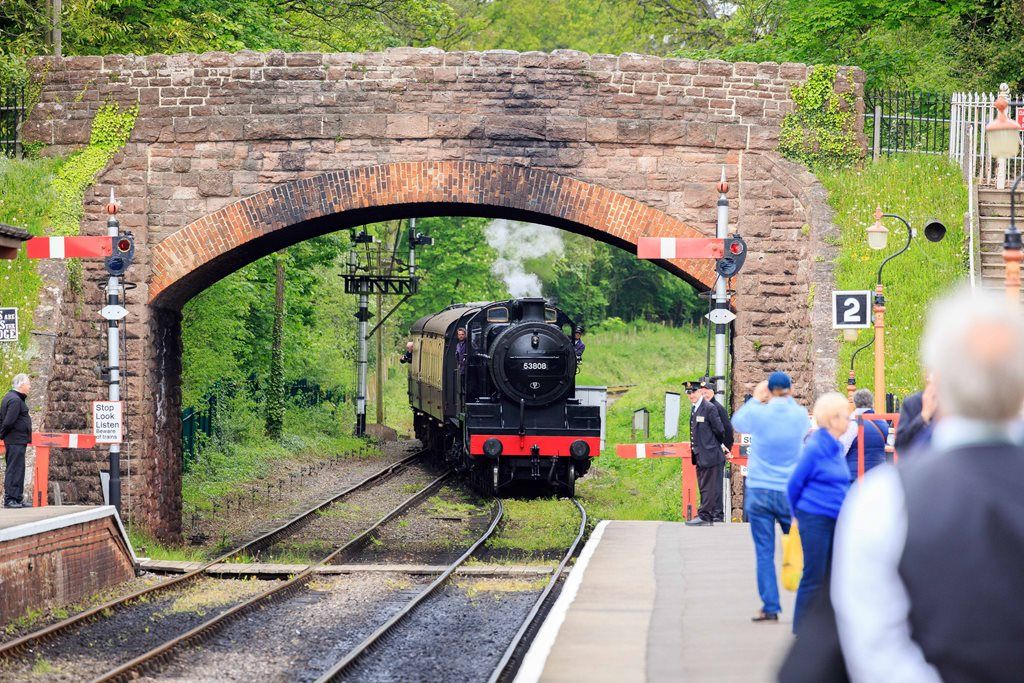
Bishops Lydeard, on the eastern edge of the Quantocks, is the starting point for the West Somerset Railway. Steam services run regular twenty-mile journeys to Minehead. The route takes in unspoilt villages and farms, the cliffs of the Bristol Channel, and Dunster's imposing castle, with Exmoor on the horizon.
Exmoor
Good for: dark skies, deer-spotting, a long day out
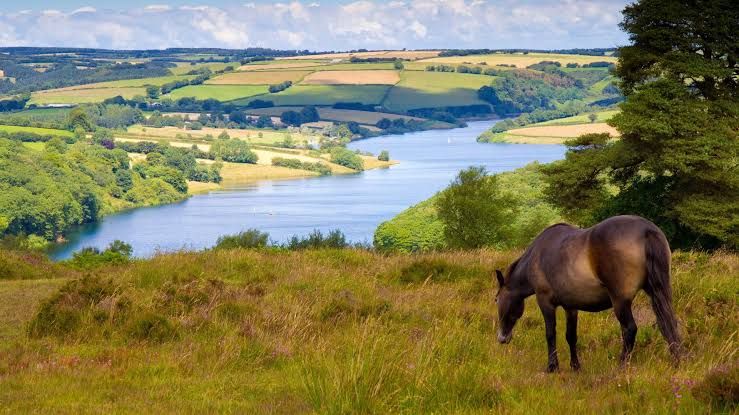
North-east of Thornfalcon, Exmoor National Park runs from towering sea cliffs through high moors and wooded valleys. Visit the small villages of Dunster, Porlock and Watchet, walk Exmoor's many trails, and look out for wild Exmoor ponies and red deer. If you're out at night, Exmoor was the first International Dark Sky Reserve in Europe — a clear evening here is unforgettable. The clapper bridge at Tarr Steps is one of the great Exmoor sights, and Dunkery Beacon, at 519 metres, is the highest point in Somerset, with views that on a clear day reach as far as South Wales.
Somerset Levels
Good for: starlings, slow cycling, big skies
The Somerset Levels are an intricate, managed landscape developed over hundreds of years. One of the lowest and flattest areas in the UK, the Levels were once tidal — which gives Somerset its name as "the land of the summer people," because the area was only fully accessible in the drier months.
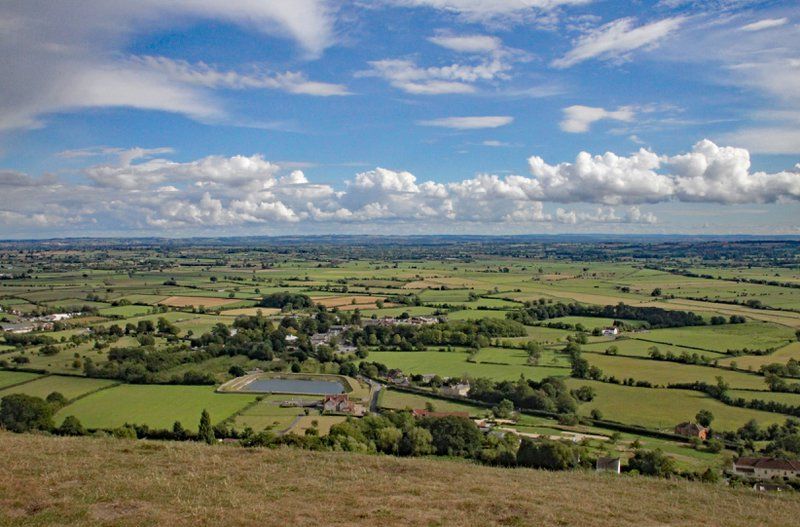
Today, the Levels are a patchwork of rhynes, wet meadows, and small villages — and a major wetland reserve at Ham Wall and Shapwick Heath that is a fertile breeding ground for numerous bird species. The cycling and walking is gentle, with flat paths along the canal and the old droves. Between November and January, the starling murmurations at dusk over Ham Wall and Shapwick are one of the great wildlife spectacles of the British year.

Dartmoor
Good for: a longer day trip, majestic Tors, river swimming, ponies
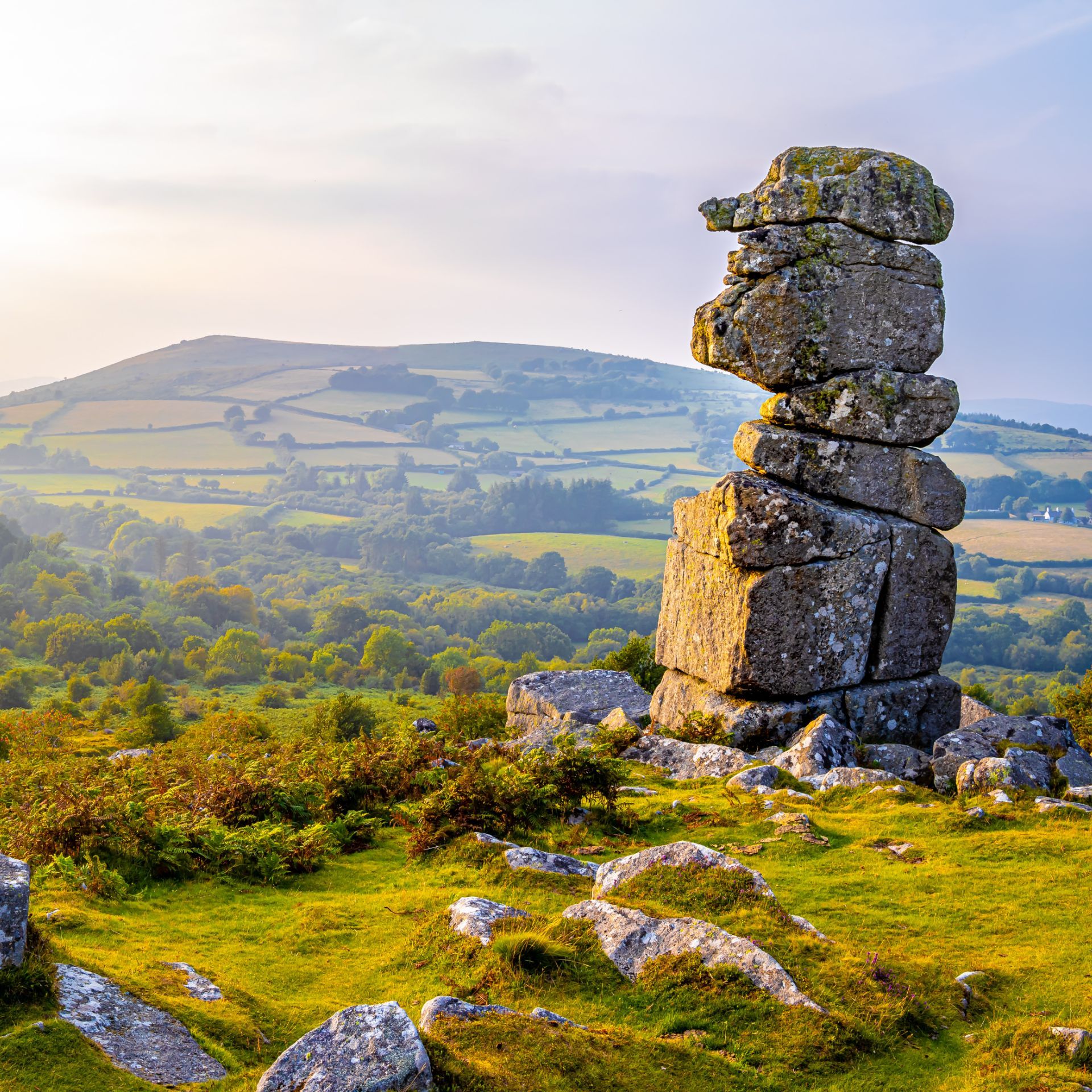
South of Thornfalcon, over the border into Devon around forty five minutes away, lies Dartmoor National Park — 954 square kilometres of granite tors, open moor, oak-shaded river valleys, and wild ponies. The walks range from the gentle to the genuinely committing, and the landscape is exceptional.
Visit the village pubs in Tavistock, Widecombe-in-the-Moor and Ashburton, or the Dartmoor Otter Sanctuary at Buckfastleigh. Climb Haytor for one of the great views of southern England. Walk the Lydford Gorge circuit. Swim in the River Dart, hire a canoe, or go pony trekking on the open moor.
Beaches
Good for: fossils, surf, a lighthouse walk
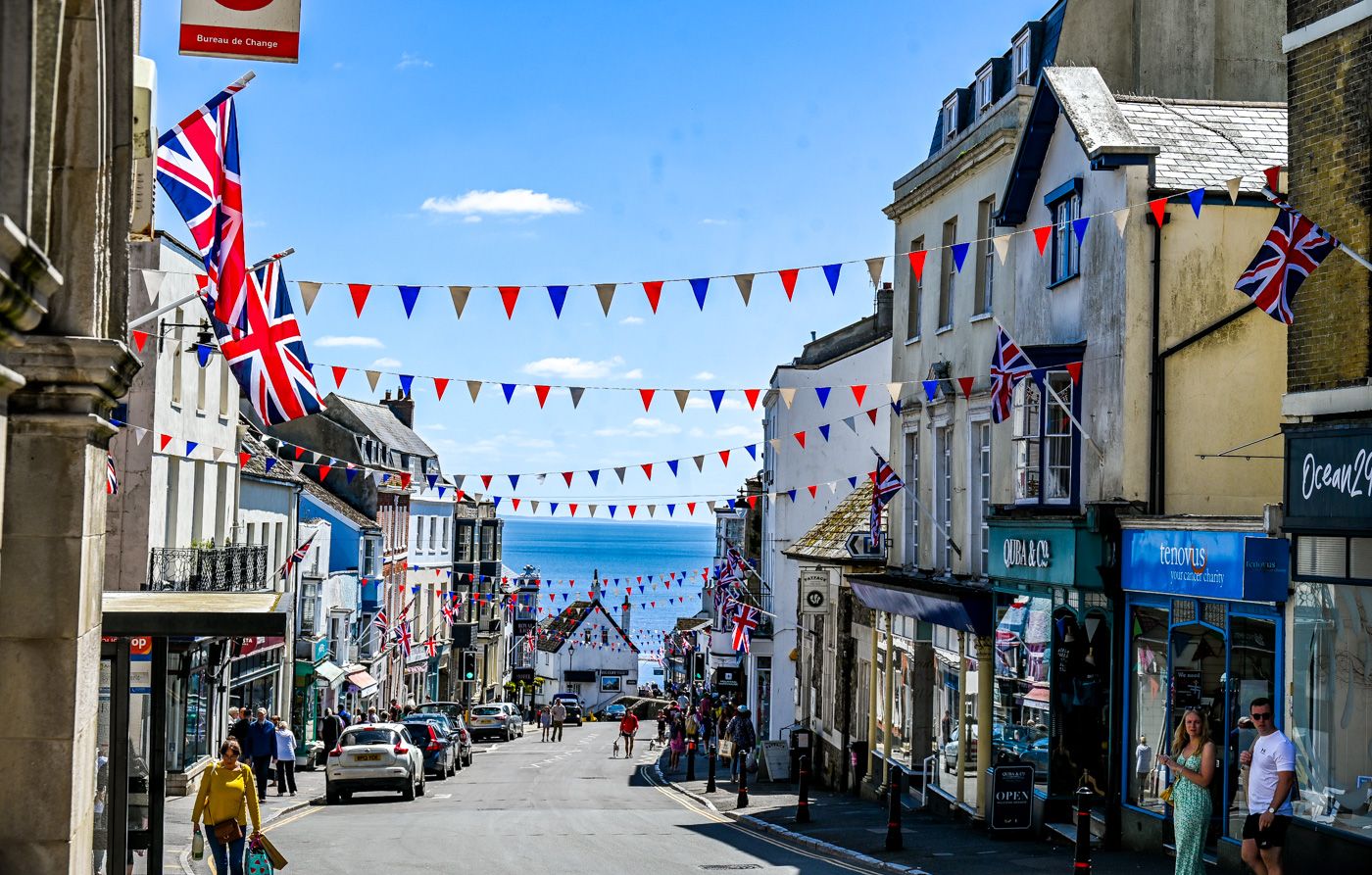
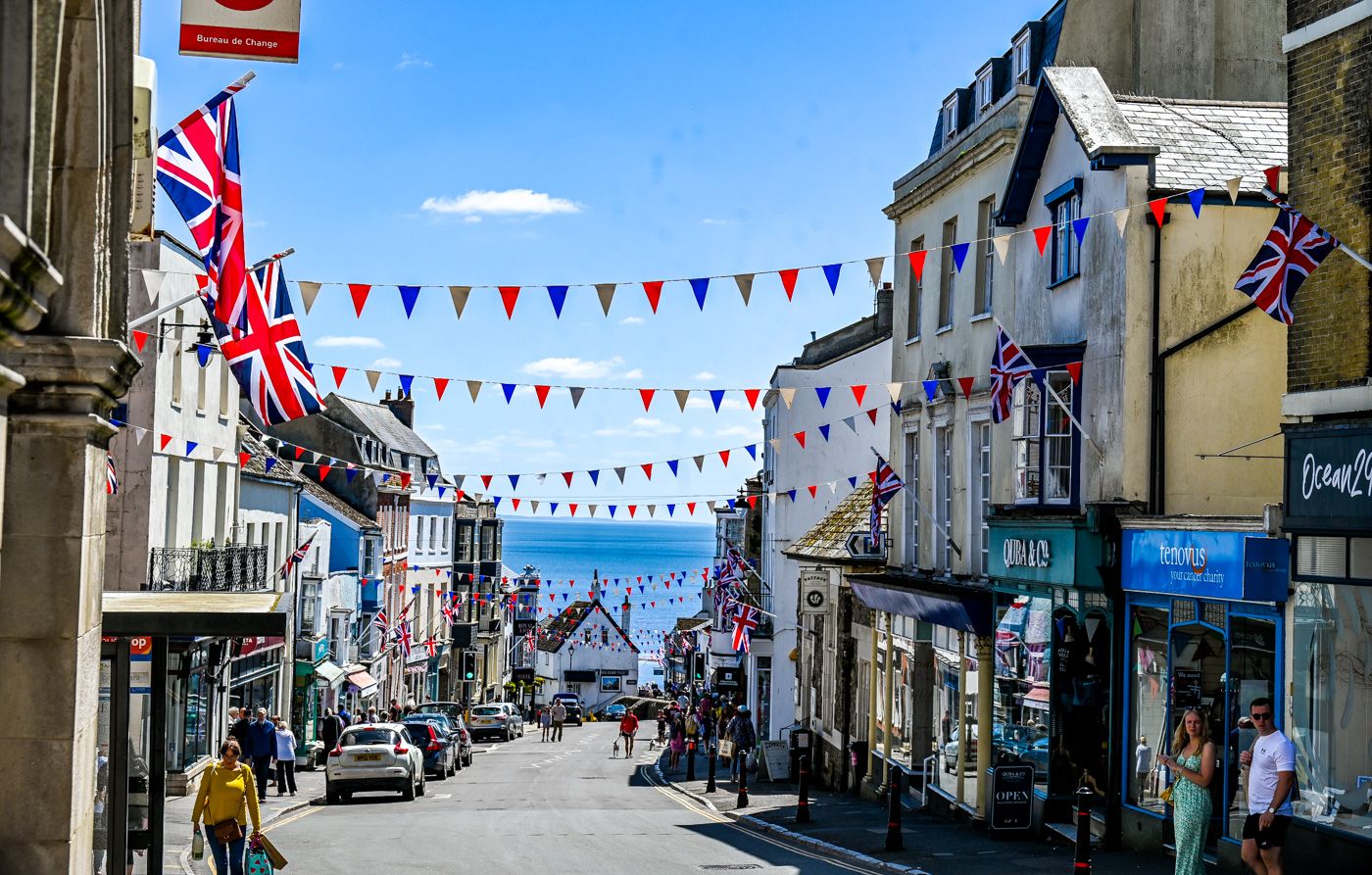
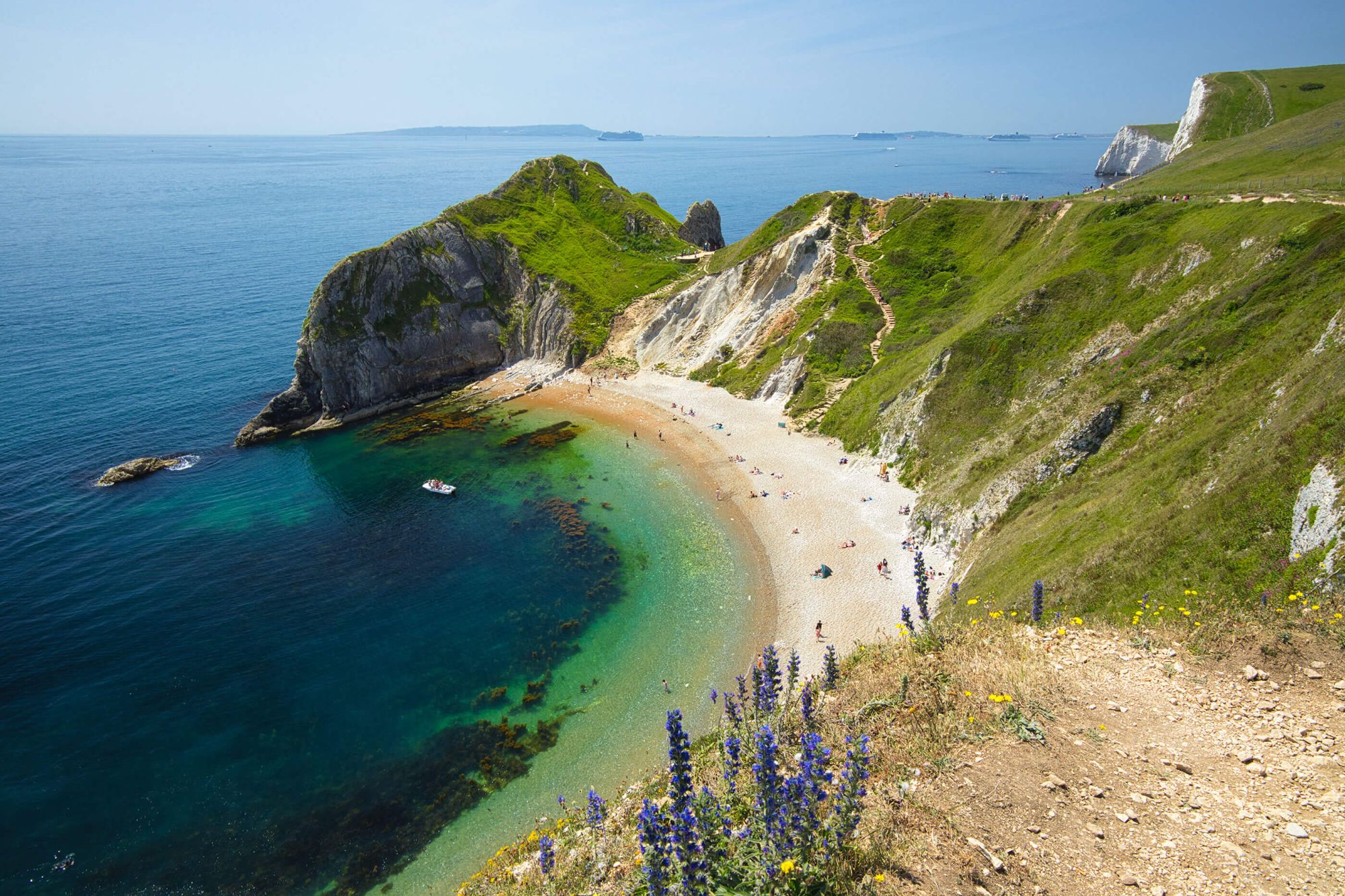
Thornfalcon sits roughly equidistant from two coastlines — the Jurassic Coast in Dorset and East Devon to the south, and the Somerset coast and North Devon to the north. Lyme Regis is one of our favourite places to visit (read our Guide to Lyme Regis here [link]), but there are various other beaches and seaside towns worth visiting.
Seatown, on Dorset's Jurassic Coast, is a small coastal hamlet with a shingle, shelving beach beloved of fishermen, fossil hunters and walkers. The Anchor Inn, perched just above the beach, serves excellent seafood from boats unloaded a few hundred yards away. There's a barrel sauna on the edge of the beach you can book to warm up between cold-water plunges. Around 45 minutes from Thornfalcon.
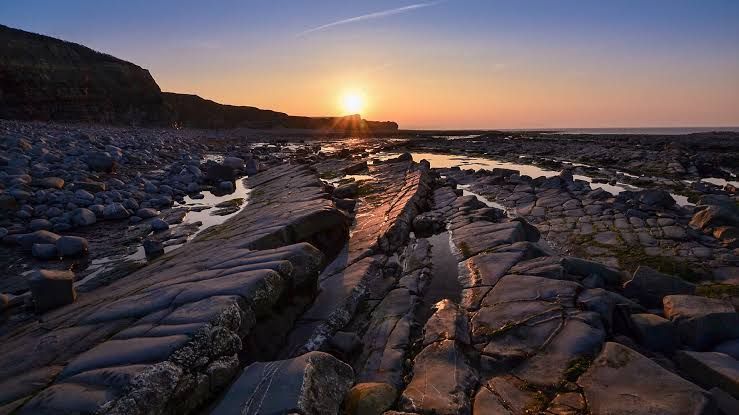
To the north of Thornfalcon, Kilve Beach lies halfway between Minehead and Bridgwater, facing the Bristol Channel. Sweeping rock formations along the shore, fossils dotted across the foreshore, and rockpools at low tide. Around 45 minutes from Thornfalcon.
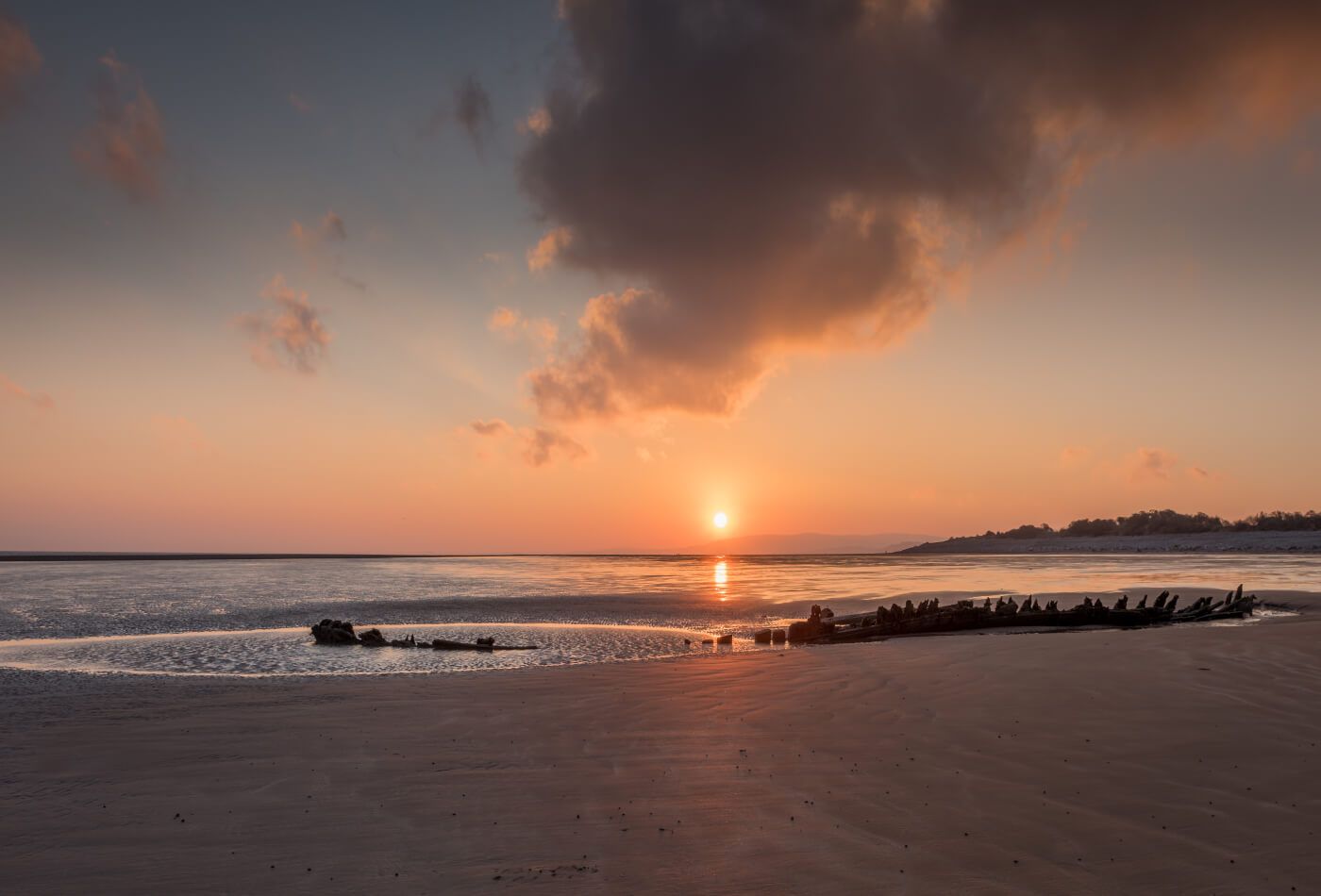
Also on Somerset's north coast, Berrow Beach sits towards the southern end of the Berrow Flats — a six-mile stretch of sand and dunes between Burnham-on-Sea and Brean Down. The beach is flat and sandy, popular with walkers, horse riders, fishermen and beach-sport enthusiasts. Walk north towards Brean, or south to the lighthouse at Burnham-on-Sea. The west-facing beach gives some of the best sunsets on the Bristol Channel. Around 30 minutes from Thornfalcon.
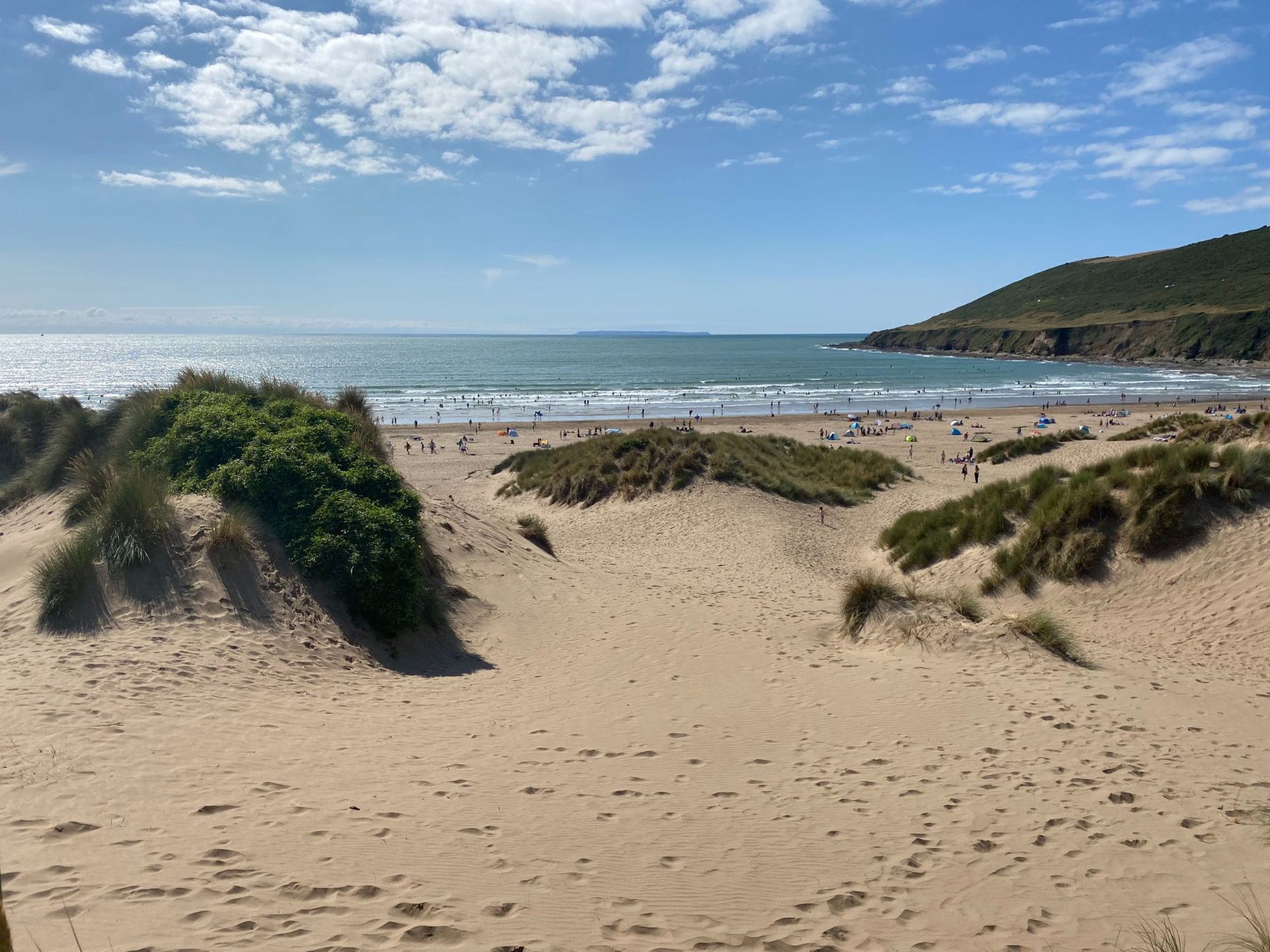
For surfers — or anyone who likes the smell of the Atlantic and a long drive home — North Devon's beaches are some of the best in the UK. Woolacombe, Saunton and Croyde are the three big names. Our pick is Saunton Sands: three miles of golden beach, surf schools at the south end if you'd like a lesson, and a good pub for after. Around 1 hour 20 from Thornfalcon.